



Adenomyosis and fertility: treatment to achieve pregnancy
Adenomyosis can make it harder to conceive, but with the right approach pregnancy is possible. At Clínica Fertia we treat highly complex cases with a personalised diagnosis.
Specialists in complex cases
Personalised
treatment
No
waiting list
Free initial
consultation
What is adenomyosis?
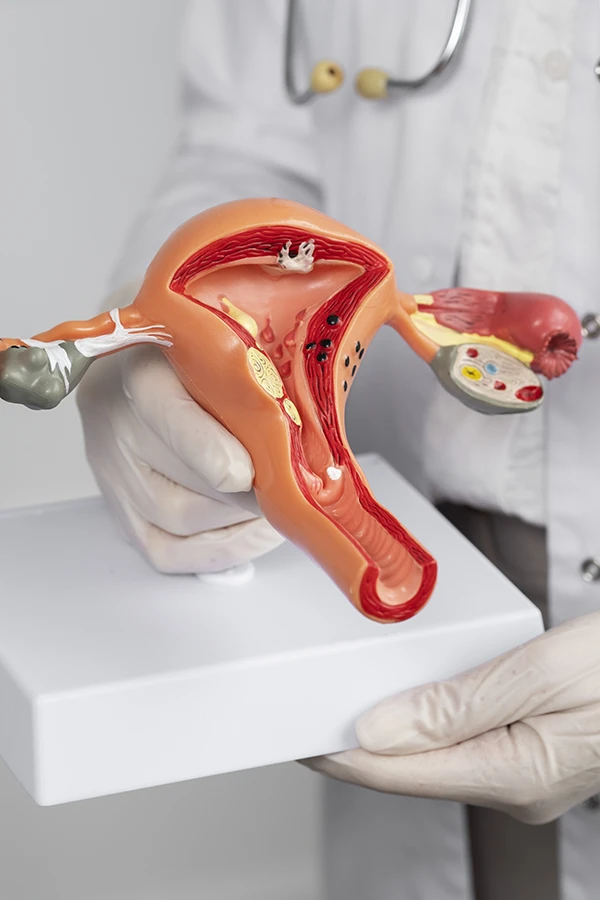
Adenomyosis is a condition in which endometrial tissue grows into the muscle of the uterus.
This can cause:
- menstrual pain
- heavy bleeding
- difficulty getting pregnant
Although it is often confused with endometriosis, they are different conditions.
When you don’t know exactly what’s happening in your body, the most important thing is to have clear answers.
Differences between endometriosis and adenomyosis
Although they are related, they are not the same:
Endometriosis
The tissue grows outside the uterus
Adenomyosis
The tissue grows within the uterine muscle
Both can affect fertility, but they require different approaches.
Does adenomyosis cause infertility?
Adenomyosis can affect fertility because:
- It alters the uterine environment
- It hinders embryo implantation
- It can lead to increased uterine contractility
This does not mean that pregnancy is impossible, but it does require specialised treatment.
Why can adenomyosis make it harder to conceive?
Adenomyosis can affect fertility through various mechanisms.
Among the most significant are:
- Alterations in uterine contractility.
- Changes in endometrial receptivity.
- An inflammatory environment within the endometrium
- Impaired embryo implantation.
- Frequent association with endometriosis.
Furthermore, in some cases it may cause changes to the uterine cavity or affect the quality of the environment in which the embryo is to implant.
For this reason, each patient requires an individualised assessment to determine the true impact of the condition on their reproductive prospects.
Accurate diagnosis of adenomyosis
Adenomyosis is not always easy to identify, and its impact on fertility can vary greatly from one woman to another.
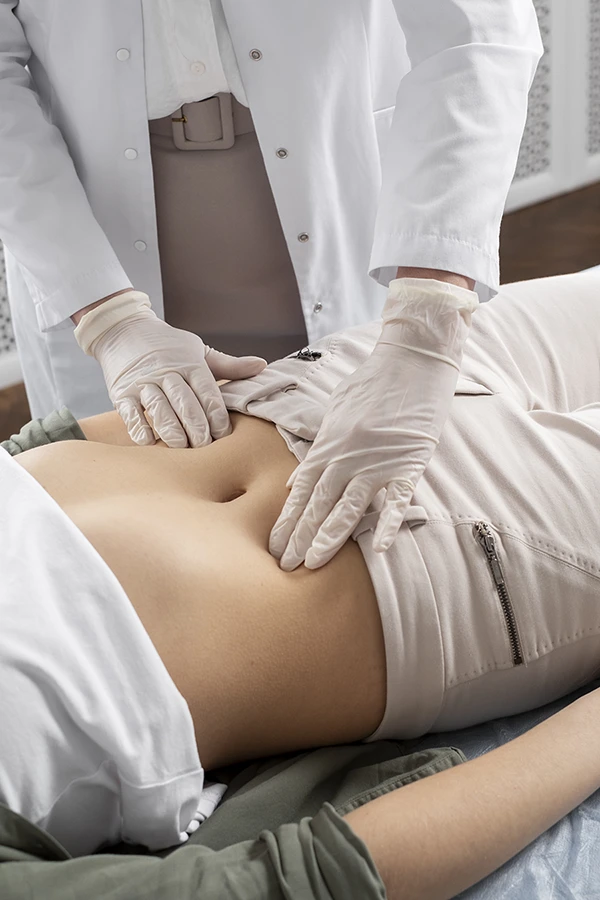
At Clínica Fertia, we carry out a specialist assessment using advanced gynaecological ultrasound, enabling us to examine the location, extent and severity of the condition.
Our team uses internationally recognised diagnostic criteria, such as the MUSA classification, which allows us to accurately describe the ultrasound features of adenomyosis and plan the best reproductive strategy.
Where necessary, we supplement the assessment with an MRI scan and a comprehensive evaluation of other frequently associated conditions, such as endometriosis or abnormalities of the uterine cavity.
Highly complex assisted reproduction
Cases of adenomyosis are usually classified as highly complex assisted reproduction.
This involves:
- Advanced diagnosis: 2D and 3D ultrasound, hysteroscopy, endometrial assessment (microbiome, receptivity).
- Personalised treatment: for these patients our centre uses deferred embryo transfer with GnRH agonists and, more recently, GnRH antagonists, along with other medications that help maximise the chances of success.
- Management of the uterine environment: use of antioxidants and probiotics that help improve endometrial receptivity. Luteal phase support with a progesterone regimen specific to these cases, given the greater progesterone resistance these patients show. Nutritional advice. Assessment of surgical correction of the uterine cavity where necessary.
At Clínica Fertia we approach these cases with an integrated view.

Adenomyosis and pregnancy: yes, it is possible
Although adenomyosis can make it harder to conceive in some cases, many women achieve an ongoing pregnancy with the right diagnosis and a personalised reproductive strategy.
Age, ovarian reserve, the extent of the condition and the presence of other associated conditions are factors that influence the prognosis.
That is why it is essential to carry out a full assessment before trying to conceive or starting assisted reproduction treatment.
Treatment for getting pregnant with adenomyosis
Treatment will depend on each individual case, but may include:

Endometrial preparation

Hormonal control

Assisted reproduction techniques such as IVF
The aim is to improve the conditions for implantation and the development of the pregnancy.
Specialists in adenomyosis and high-complexity fertility
Adenomyosis is a complex condition that can affect embryo implantation, increase the risk of miscarriage and reduce the chances of pregnancy in certain cases.
Dr Elena Puente and her team have extensive experience in the diagnosis and reproductive management of patients with adenomyosis, particularly when it is associated with endometriosis, low ovarian reserve or previous implantation failures.
- We analyse each case in depth
- We tailor the treatment to each patient
- We support you throughout the entire process
Because it’s not just about treating a condition, but about helping you achieve what you’re looking for.
A clear diagnosis is the first step towards moving forward.
Posts from our blog on adenomyosis
Adenomyosis: Latest Advances in Therapeutic Approaches for Infertile Patients

Frequently asked questions about adenomyosis and fertility
Can you get pregnant with adenomyosis?
Yes, with the right treatment many women are able to conceive.
What is the best treatment for adenomyosis?
It depends on the individual case, but it may include hormonal treatment and assisted reproduction.
Is adenomyosis the same as endometriosis?
No, although they are related, they affect the body differently.
When should you visit a fertility clinic?
When there is difficulty achieving pregnancy or a diagnosis of adenomyosis.
Is in vitro fertilisation necessary?
This will depend on your age, the severity of the adenomyosis, how long you have been trying to conceive, and the presence of other factors affecting fertility.
Take the next step towards achieving pregnancy with adenomyosis
At Clínica Fertia we analyse your case and help you find the best path forward.
Receiving a diagnosis isn’t the end; it’s the start of a clearer path.