



Implantation failure: causes, assessment and treatment in Málaga
Have you had good-quality embryos transferred and still not achieved pregnancy?
Implantation failure is one of the most frustrating situations in assisted reproduction treatment. At Clínica Fertia, in Fuengirola (Málaga), we assess each case individually to identify what might be going wrong and determine the best strategy.
Advanced implantation assessment
Specialists in highly complex cases
Free initial
fertility consultation
No
waiting lists
When the embryo looks good, but pregnancy doesn’t happen
We know how difficult it is to reach an embryo transfer full of hope and then receive a negative result.
But implantation failure does not mean there are no options. It means we need to look more deeply.
It’s not just a matter of trying again, but of understanding why it didn’t work.
What is implantation failure?
Implantation failure occurs when pregnancy is not achieved following the transfer of good-quality embryos.
Embryo implantation depends on several factors that must work in coordination:
- Gamete quality
- Embryo quality
- Endometrial receptivity
- Implantation window
- Embryo-endometrium synchronisation
- Appropriate timing of the embryo transfer
- Correct hormonal support
Therefore, when repeated implantation failures occur, an individualised assessment is required.
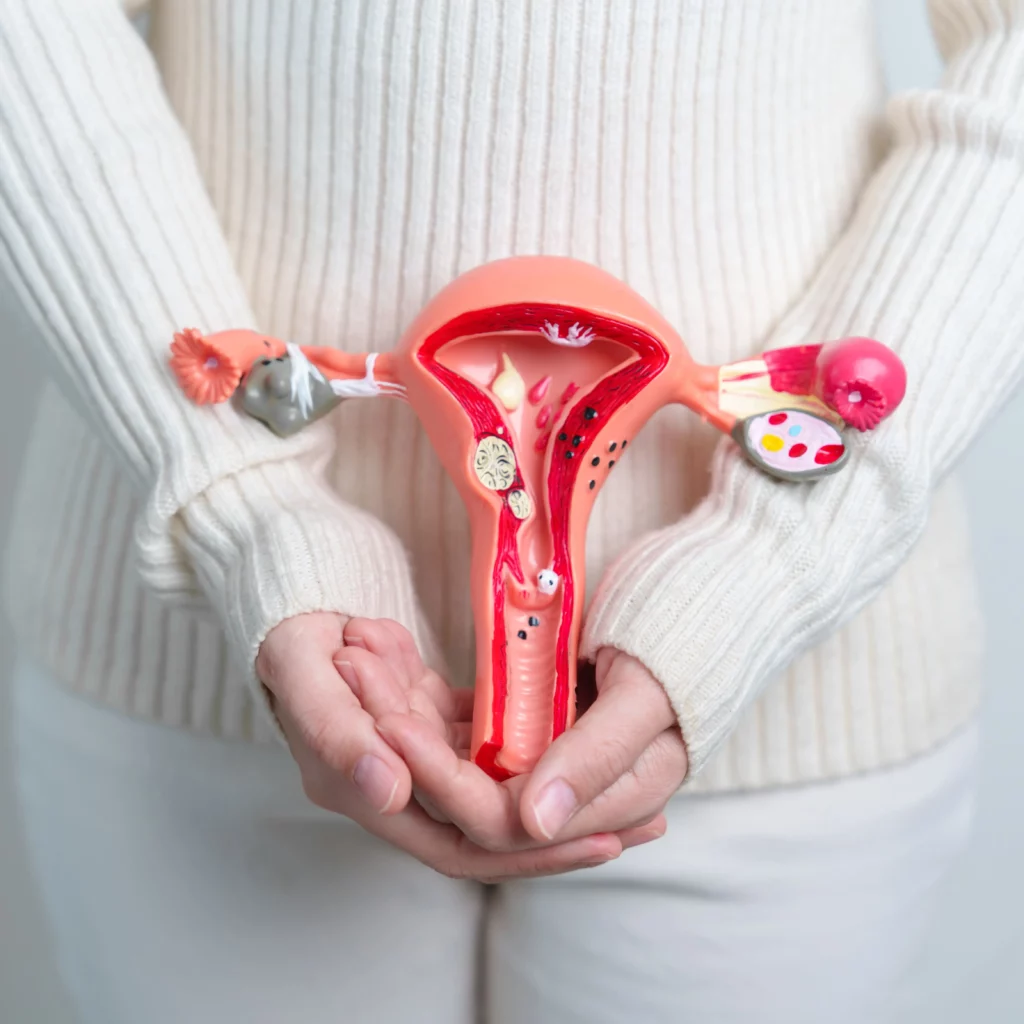
Why do embryos fail to implant?
Implantation failure can have various causes. In many cases there is no single factor, but rather a combination of several elements.
Uterine factor
Certain abnormalities within the uterus can hinder embryo implantation.
Among the most common are:
- Endometrial polyps
- Fibroids
- Uterine malformations
- Septate or bicornuate uterus
- Adenomyosis
- Intracavitary adhesions
- Hydrosalpinx
At Clínica Fertia we use tests such as 3D ultrasound and diagnostic hysteroscopy to examine the uterine cavity in detail.
Endometrial factor
The endometrium must be ready at exactly the right time to receive the embryo.
This period is known as the implantation window.
In some patients the window may be shifted, meaning that the embryo is transferred outside the optimal time frame.
To assess endometrial receptivity, we can use tests such as:
- ERA Test
- ER-Map Test
- Personalised embryo transfer
Sometimes the problem isn’t the embryo, but the timing.
Uterine microbiota
The uterine cavity is not sterile. The balance of the uterine microbiota can also influence embryo implantation.
A microbiota low in lactobacilli or the presence of pathogenic bacteria may be associated with:
- Chronic endometritis
- Endometrial inflammation
- Impaired receptivity
- Dysbiosis
At Clínica Fertia we can analyse the uterine microbiota using tests such as EMMA, ALICE and MicrobioMAP.
Embryonic factor
Even if an embryo is of good morphological quality, it may have chromosomal abnormalities.
For this reason, in certain cases the Preimplantation Genetic Testing PGT-A may be recommended, to ensure that the embryo is genetically healthy.
Immunological factor
The immune system also plays a role in implantation.
The endometrium must allow the embryo to implant and develop correctly. This requires an appropriate immune balance.
In some cases, tests such as the following may be considered:
- Genetic thrombophilias
- Antiphospholipid syndrome
- KIR genotype
- HLA-C haplotype
- Endometrial and systemic immune profile
Advanced tests that we carry out in cases of implantation failure
At Clínica Fertia we carry out specific tests to analyse endometrial receptivity, immune balance and the uterine microbiota, factors that can directly influence embryo implantation.
| Test | What does it analyse? | When might it be recommended? |
Endometrial receptivity test (ERA / ER-Map)Find out more +The endometrium must be receptive at the exact moment the embryo transfer takes place. Thanks to the ERA and ER-Map tests, it is possible to analyse genes related to endometrial receptivity and detect shifts in the implantation window. This enables a personalised embryo transfer (pET) to be carried out at the optimal time. | It analyses genes related to endometrial receptivity to detect whether the implantation window is shifted. | Repeated implantation failures, good-quality embryos that do not implant, or the need for a personalised embryo transfer (pET). |
Endometrial microbiome analysis (EMMA / ALICE/ MicrobioMAP)Find out more +The uterine cavity is not sterile. The balance of the uterine microbiota can directly influence implantation and the progression of pregnancy. At Clínica Fertia we carry out:
Both tests are carried out using advanced genetic sequencing (NGS). | It analyses the uterine microbiota and the presence of pathogenic bacteria linked to inflammation or chronic endometritis. | Implantation failure, recurrent miscarriage or suspected abnormalities in the uterine microbiota. |
Immunological study of the endometriumFind out more +Immune cells in the endometrium play an active role in embryo implantation. Using flow cytometry techniques, it is possible to study:
In some cases, the KIR-HLA-C test may also be considered to analyse maternal-foetal immune tolerance. | It assesses the immune cells present in the endometrium and the immune balance required to allow embryo implantation. | Complex cases of infertility, recurrent miscarriage or suspected immune disorders. |
Specialists in implantation failure in Málaga
If you are looking for a clinic specialising in implantation failure in Málaga, at Clínica Fertia we can help you analyse your case from a comprehensive perspective. We take a personalised approach to reproductive medicine. Our team assesses each case individually, combining advanced diagnostics, laboratory technology and clinical expertise in highly complex assisted reproduction.
Particularly with patients who come to us after several unsuccessful attempts, our aim is to provide clarity, reduce uncertainty and devise a realistic strategy.

Take the next step with a clear diagnosis.
If you’ve had several negative results following embryo transfer, there’s no need to keep trying without answers.
Your first fertility consultation is free.
Frequently asked questions about implantation failure
When is implantation failure considered to have occurred?
Implantation failure is generally considered to have occurred when pregnancy is not achieved after several transfers of good-quality embryos, particularly after two or more attempts.
Can implantation failure occur even if the embryos are of good quality?
Yes. Embryo quality is important, but endometrial receptivity, the uterine microbiota, immunological factors and the synchronisation between embryo and endometrium also play a role.
What is the implantation window?
This is the period during which the endometrium is ready to allow embryo implantation. In some patients this window may be shifted.
What are the ERA and ER-Map tests used for?
They allow endometrial receptivity to be assessed and the most appropriate time for a personalised embryo transfer to be determined.
What is the relationship between the uterine microbiota and implantation?
A balanced uterine microbiota promotes embryo implantation. Abnormalities in the endometrial flora may be linked to chronic endometritis and implantation failure.
Can implantation failure be treated?
Many cases can improve following a personalised assessment and appropriate treatment. Correctly identifying the cause is essential to increase the chances of pregnancy.