



What is Ovarian Hyperstimulation Syndrome?

Ovarian Hyperstimulation Syndrome, or OHSS, is a possible complication that can occur during IVF treatments. It is an abnormally elevated ovarian response to hormonal medication that is usually administered to IVF patients to try to stimulate and increase the number of eggs for extraction and subsequent fertilization. Symptoms of Ovarian Hyperstimulation Syndrome Ovarian Hyperstimulation Syndrome […]
The Role of Anti-Müllerian Hormone in Reproductive Medicine
During embryonic development, women have around 7-8 million germ cells; by birth this has been reduced to 1-2 million, and by the time ovulatory cycles begin, there are between 300,000-400,000, of which only 400-500 will ovulate, and there will also be a percentage that is aneuploid (genetically abnormal), so we can say it is an […]
Microbiota: what it is and how it influences the early stages of gestation

Although the bacterial population living inside our gut is more or less stable once we reach adulthood, in women it can be affected by hormonal changes. In other words, it can change with pregnancy, menstruation or menopause. In today’s article we’re going to talk about the microbiota and how it influences the early stages of […]
Advanced Maternal Age and Fertility: How Long Can I Still Get Pregnant?

We live in a time when infertility is linked to age. Did you know that the proportion of women delaying motherhood into their 30s and early 40s is increasing? It’s important to understand that fertility declines with a woman’s age due to the decrease in the number of eggs remaining in the ovaries, in other […]
Barrier contraceptive methods: what they are, types and effectiveness
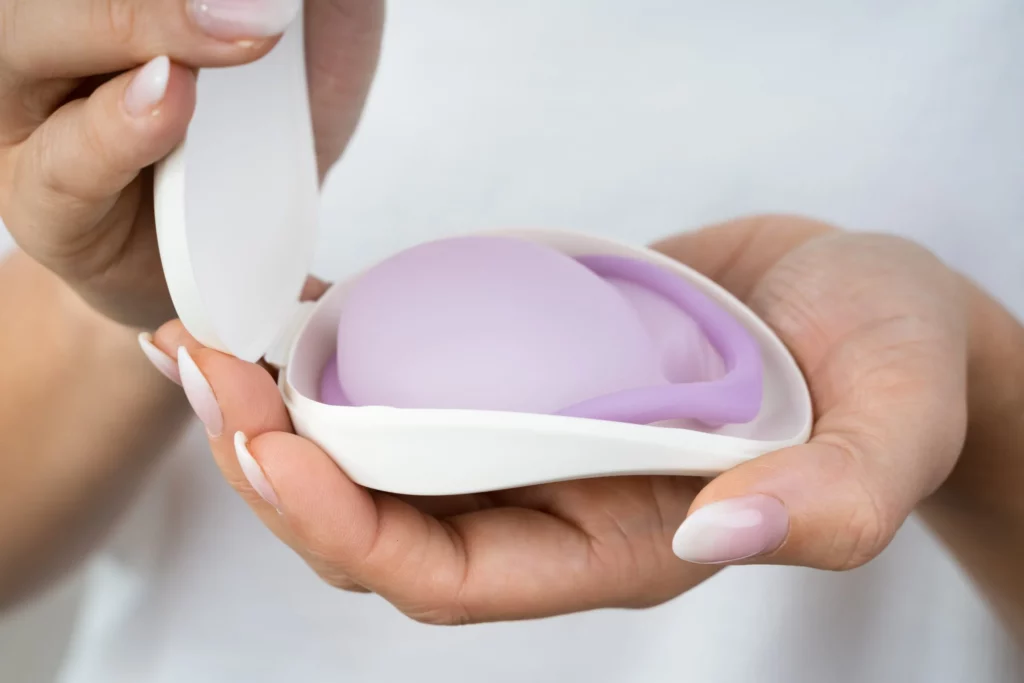
Barrier contraceptive methods are one of the most widely used options for preventing pregnancy, especially for people looking for a hormone-free alternative. They are also the only contraceptive methods that protect against sexually transmitted infections (STIs), making them a key option in many situations. In this article, we explain what they are, the different types […]
Is IVF medication safe? What does a study of 1.2 million pregnancies reveal?
The available scientific evidence suggests that the medication used in in vitro fertilisation (IVF) does not increase the risk of birth defects. An analysis of 32 studies and nearly 1.2 million pregnancies found rates comparable to those observed in natural pregnancies. Why there is concern about medication in assisted reproduction In recent years, many patients […]
Vitamin D deficiency and fertility: what you need to know

Many people have vitamin D deficiency (levels below 20 ng/ml), and this problem is even more common in the African American population. Vitamin D is not only good for bones: it acts on more than 1,000 genes and participates in many processes in the body. In addition to helping maintain strong bones, vitamin D […]
Can Coenzyme Q10 improve your fertility? Here’s what science says.
Coenzyme Q10, cellular energy and fertility: what is the connection? Coenzyme Q10 (CoQ10) is a natural antioxidant essential for energy production within cells. Its role is especially important in tissues that consume a lot of energy, such as eggs and sperm. With age —and in certain clinical profiles— CoQ10 levels decrease, which can affect […]
Can the use of supplements or steroids at the gym compromise your fertility?

The rise of ‘intense fitness’ and its risks to male fertility Nowadays, it is very common to see intense gym routines, aggressive diets and supplement consumption to gain muscle. But what many people do not know is that these practices — especially when they involve anabolic steroids — can have a serious negative impact […]
Who is the DuoStim protocol indicated for? Transfer, vitrification, and safety

The DuoStim protocol has established itself as an effective tool in assisted reproduction, especially in women with poorer prognoses. Unlike other approaches that may be insufficient or lead to frustration, this protocol improves clinical and emotional outcomes. Most common clinical indications The patients who benefit most from DuoStim are: Women with low ovarian […]