



Sperm DNA Fragmentation: What It Is and How It Can Affect Fertility
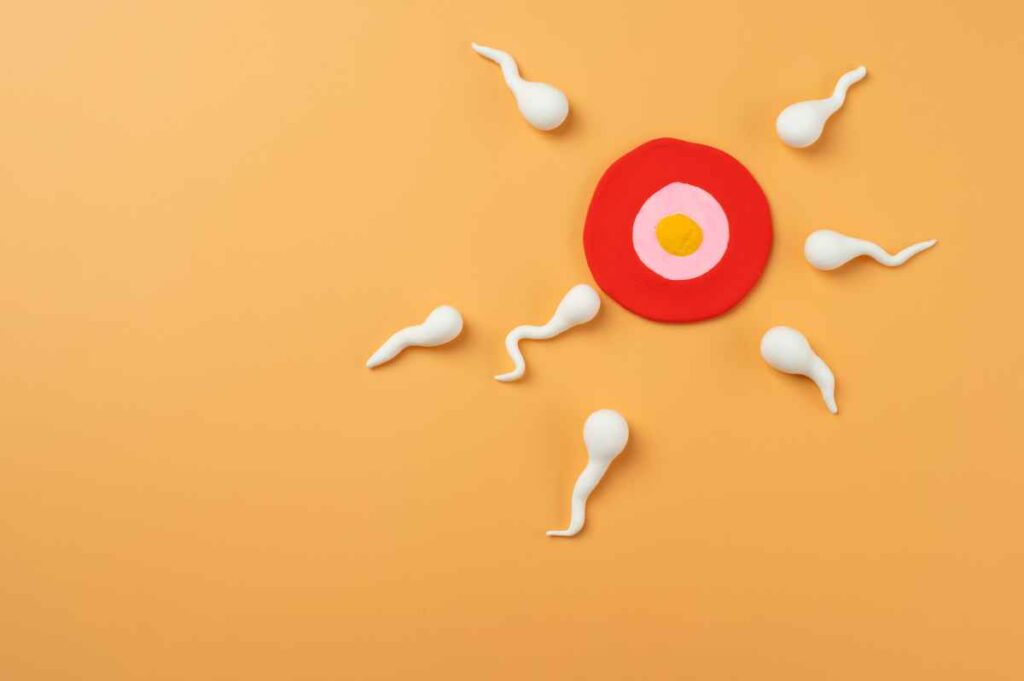
Male fertility is a fundamental aspect of assisted reproduction treatments, but its evaluation goes beyond the conventional semen analysis.
Polycystic Ovary Syndrome Has a New Name: What Does Polyendocrine Metabolic Ovarian Syndrome Mean?

Polycystic ovary syndrome (PCOS), one of the most common hormonal disorders affecting women of reproductive age, has officially been renamed Polyendocrine Metabolic Ovarian Syndrome (PMOS) following an international consensus published in The Lancet. This new terminology reflects a more accurate understanding of the condition. Rather than being solely an ovarian disorder, PMOS is now recognized […]
How Does Sexual Abstinence Affect Fertility?

When it comes to conceiving, there are many factors that can influence a couple’s fertility. One aspect that often raises questions is sexual abstinence: does it affect reproductive capacity positively or negatively? In this article, we look at this topic from a medical perspective, clarifying key concepts and debunking common myths about the relationship between […]
New Obesity Drugs: Efficacy, Health, and Fertility
Obesity is a chronic, progressive, and relapsing disease. In Spain, one in six people suffers from obesity, and in the US, one in three. It’s estimated that by 2035, 37% of the Spanish population will be obese. In 2023, for the first time in US history, the obese population decreased by 1.6% thanks to new […]
Number of Embryos to Transfer After an In Vitro Fertilisation Cycle
One of the most common questions and requests we receive after carrying out an In Vitro Fertilisation cycle is the following: how many embryos should I transfer? One or two? In this post we will analyse all the pros and cons of transferring a single embryo versus transferring two embryos (1). According to the data […]
Egg Vitrification: The Best Way to Preserve Your Fertility

Egg vitrification is an assisted reproduction technique that allows a woman’s eggs to be frozen for use in the future. It is an effective and safe way to preserve your fertility, and can be an ideal option for women who want to delay motherhood, or who have fertility problems. At Clínica Fertia, we have more […]
Assisted reproduction and obesity: how obesity affects fertility and pregnancy
Obesity is a public health problem affecting an ever-growing percentage of the population. In Spain, it’s estimated that 17% of the population has obesity, meaning a body mass index (BMI) above 30 kg/m2. Obesity has a negative impact on a woman’s fertility. Time to pregnancy increases in proportion to BMI. Obesity can cause ovulation disorders, […]
Poor sleep may be affecting your fertility — what science reveals

Sleep, hormones and reproductive balance Sleep doesn’t just affect your energy or mood: it regulates key hormones related to reproduction. If your sleep cycles are disrupted — by insomnia, shift work, stress, nighttime light — this can affect ovulation, hormone production, egg quality, and even sperm quality. In women, lack of sleep or poor sleep […]
Keys to Success in IVF Treatments

In vitro fertilization (IVF) is one of the most significant medical advances in the field of assisted reproduction. However, the success of this treatment depends on numerous factors that must be considered to optimize results. In this article, we explore the key elements for achieving satisfactory outcomes in IVF and how to address the most […]
A Mother’s Day Full of Sisterhood

Mother’s Day is a day full of emotion for many women, but also a hard day for those who haven’t yet become mothers. Social media fills up with congratulatory messages and family photos that remind them of what they don’t have yet. Mother’s Day is a reason to celebrate, but with empathy we can understand […]