
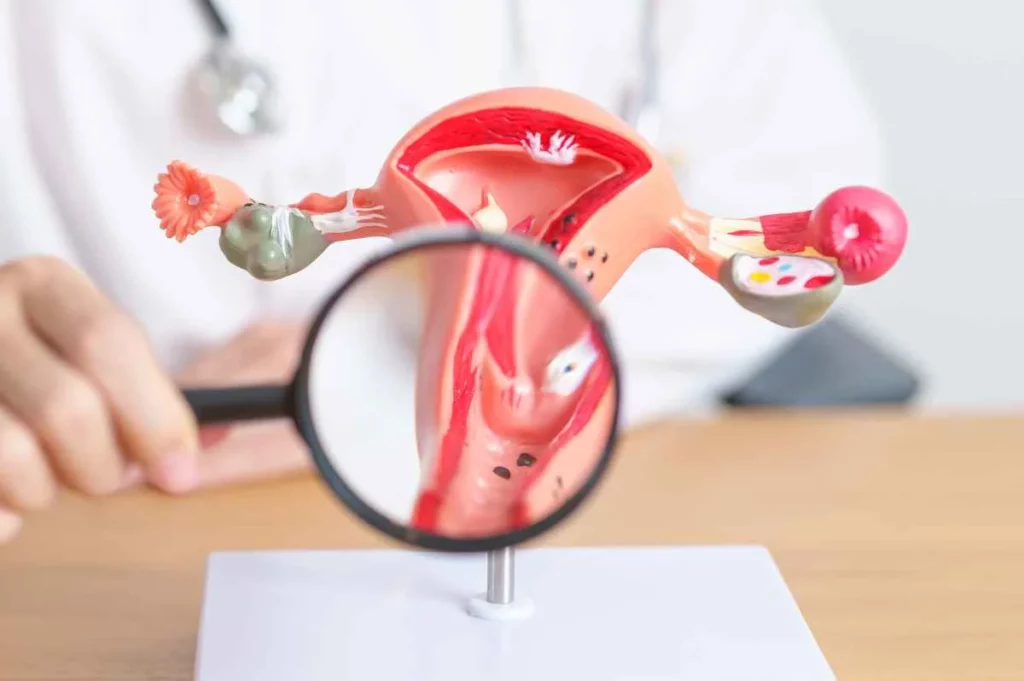
Polycystic ovary syndrome (PCOS) is one of the leading causes of infertility in women of reproductive age. A recent study published in Fertility and Sterility found that insulin resistance and body mass index (BMI) can have a significant impact on implantation and pregnancy outcomes in in vitro fertilisation (IVF) treatments.
The impact of BMI and insulin resistance on fertility
According to the study, among women with PCOS and insulin resistance, each one-unit increase in BMI was associated with a 2% reduction in the implantation rate and a 9% reduction in clinical and ongoing pregnancy rates.
These findings highlight the influence that metabolic health can have on reproductive outcomes.
The relationship between PCOS, insulin resistance and obesity
Both insulin resistance and a higher BMI are factors associated with an increased risk of miscarriage in young women with PCOS following an IVF cycle.
These factors are closely interconnected:
- The higher the BMI, the greater the likelihood of insulin resistance.
- The greater the insulin resistance, the greater the tendency towards weight gain.
This bidirectional relationship can create a cycle that negatively affects the outcomes of assisted reproduction treatments.
Study results: How does BMI affect IVF?
The study analysed a total of 282 women with PCOS and insulin resistance, who were classified into four groups according to their BMI:
- Low BMI (≤18)
- Normal BMI (18.5–24)
- Overweight (24–28)
- Obesity (>28)
The results showed that reproductive outcomes following IVF became progressively poorer as BMI increased.
These findings reinforce the importance of strategies aimed at managing weight and improving insulin sensitivity to help optimise outcomes in fertility treatment.
Strategies to improve fertility in women with PCOS
Based on these findings, measures aimed at improving metabolic health and reducing insulin resistance may be beneficial. Some recommendations include:
- Dietary changes: Reduce the consumption of sugars and refined carbohydrates and prioritise foods with a low glycaemic index.
- Regular exercise: Physical activity can improve insulin sensitivity and contribute to hormonal regulation.
- Medical monitoring: Metabolic health can be monitored with the support of fertility and endocrinology specialists.
- Medication: In selected cases, medicines such as metformin may be considered to help improve metabolic response.
At Clínica Fertia, we offer a comprehensive approach for women with PCOS who are trying to improve their chances of pregnancy. If you are looking for personalised guidance, our assisted reproduction specialists can help assess your reproductive health and determine the most appropriate approach for your individual circumstances.
Do you need help?
Book a consultation with our fertility specialists to discuss the options that may be most appropriate for you.
Reference
Hao Liang, M.D., Ning Li, M.D., and Rong Li, M.D. Preovulation body mass index and pregnancy after first frozen embryo transfer in patients with polycystic ovary syndrome and insulin resistance. 2025.