
Barrier contraceptive methods are one of the most widely used options for preventing pregnancy, especially for people looking for a hormone-free alternative.
They are also the only contraceptive methods that protect against sexually transmitted infections (STIs), making them a key option in many situations.
In this article, we explain what they are, the different types available and how effective they are.
What are barrier contraceptive methods?
Barrier contraceptive methods work by physically preventing sperm from reaching the egg, thereby preventing fertilisation.
They are highly effective when used correctly, although their overall effectiveness is slightly lower than that of other contraceptive methods such as intrauterine devices (IUDs) or hormonal contraception.
Their main advantage is that they are the only contraceptive methods that also protect against sexually transmitted infections, including HIV.
Types of barrier contraceptive methods
Male condom
The male condom is the best-known and most widely used barrier contraceptive method.
It consists of a thin sheath, usually made of latex, that is placed over the erect penis before sexual intercourse.
Key recommendations:
- Check the expiry date.
- Make sure the packaging is not damaged.
- Put it on before any sexual contact.
- Remove it immediately after ejaculation while the penis is still erect.
- It is for single use only. If the condom breaks, emergency contraception should be considered as soon as possible.
Approximate effectiveness: 97%.
Female condom
The female condom is a polyurethane pouch inserted into the vagina before sexual intercourse.
Its outer ring covers part of the external genital area, providing additional protection.
Advantages:
- It can be inserted before intercourse.
- It does not depend on the partner’s erection.
Disadvantages:
- It may shift during intercourse due to changes in position.
- It is less commonly used because many people are unfamiliar with it or find it less convenient.
Approximate effectiveness: 95%.
Diaphragm
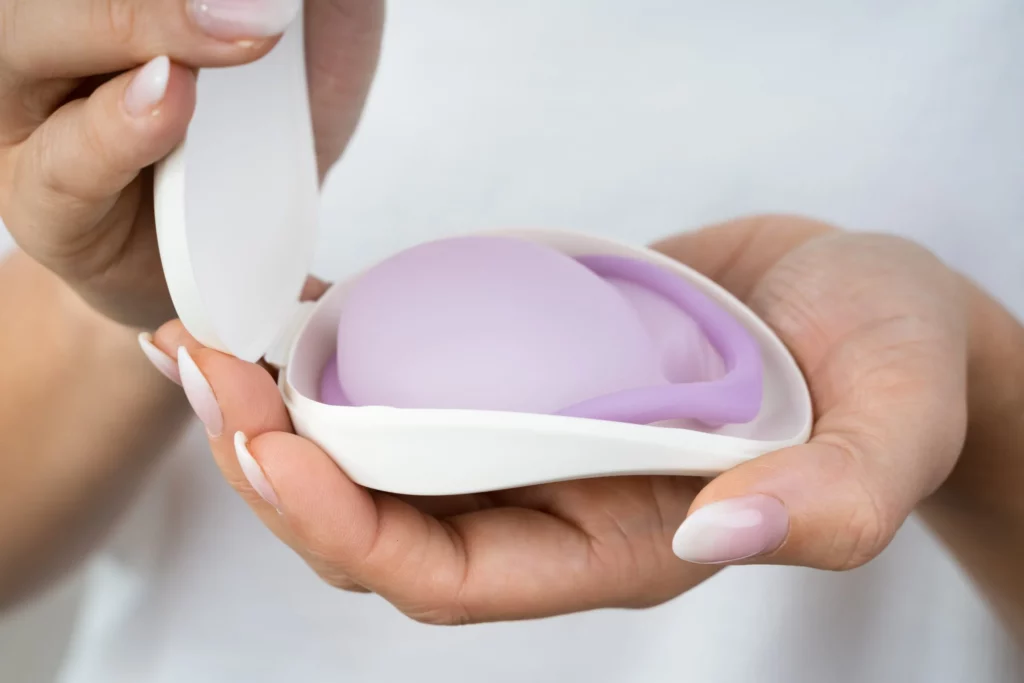
The diaphragm is a flexible dome-shaped device placed inside the vagina to cover the cervix.
It should always be used together with a spermicide.
Important considerations:
- It is available in different sizes, so a medical assessment is required.
- It requires practice to position correctly.
- It must remain in place for at least six hours after intercourse.
Approximate effectiveness: 92–96%.
How effective are barrier methods?
Barrier contraceptive methods are effective, but their success largely depends on correct use.
- Male condom: 97%.
- Female condom: 95%.
- Diaphragm: 92–96%.
Actual effectiveness may be lower if these methods are not used correctly.
Advantages and disadvantages
Advantages
- They do not contain hormones.
- They protect against sexually transmitted infections.
- They can be used only when needed.
- They are widely available and easy to obtain.
Disadvantages
- They are generally less effective than other contraceptive methods.
- Their effectiveness depends greatly on correct use.
- Some people may find them less comfortable.
Which method is best for you?
There is no single contraceptive method that is best for everyone.
The right choice depends on your age, general health, lifestyle, whether you need protection against sexually transmitted infections and whether you wish to avoid hormonal contraception.
For this reason, a personalised consultation with a gynaecologist is always recommended.
Conclusion
Barrier contraceptive methods are a safe, accessible option and are particularly recommended when protection against sexually transmitted infections is required.
When used correctly, they provide good contraceptive effectiveness and can form part of a personalised family planning strategy tailored to each person’s needs.
Frequently Asked Questions about Barrier Contraceptive Methods
Which barrier contraceptive method is the safest?
The male condom is the most widely used and one of the most effective barrier contraceptive methods when used correctly. It also provides protection against sexually transmitted infections.
Do barrier methods protect against HIV?
Yes. Male and female condoms are the only contraceptive methods that protect against HIV and other sexually transmitted infections (STIs).
Can a diaphragm be used without spermicide?
It is not recommended. To maximise its effectiveness, the diaphragm should always be used together with a spermicide.
What should I do if the condom breaks?
It is recommended to seek emergency contraception as soon as possible and consult a healthcare professional if there is a risk of pregnancy or exposure to a sexually transmitted infection.
Are barrier methods recommended over other contraceptives?
It depends on each individual case. They are especially recommended when protection against sexually transmitted infections is needed or when avoiding hormonal contraception is preferred.
Frequently Asked Questions about Barrier Contraceptive Methods
Which barrier contraceptive method is the safest?
The male condom is the most widely used and one of the most effective barrier contraceptive methods when used correctly. It also provides protection against sexually transmitted infections.
Do barrier methods protect against HIV?
Yes. Male and female condoms are the only contraceptive methods that protect against HIV and other sexually transmitted infections (STIs).
Can a diaphragm be used without spermicide?
It is not recommended. To maximise its effectiveness, the diaphragm should always be used together with a spermicide.
What should I do if the condom breaks?
It is recommended to seek emergency contraception as soon as possible and consult a healthcare professional if there is a risk of pregnancy or exposure to a sexually transmitted infection.
Are barrier methods recommended over other contraceptives?
It depends on each individual case. They are especially recommended when protection against sexually transmitted infections is needed or when avoiding hormonal contraception is preferred.