
Sleep, hormones and reproductive balance
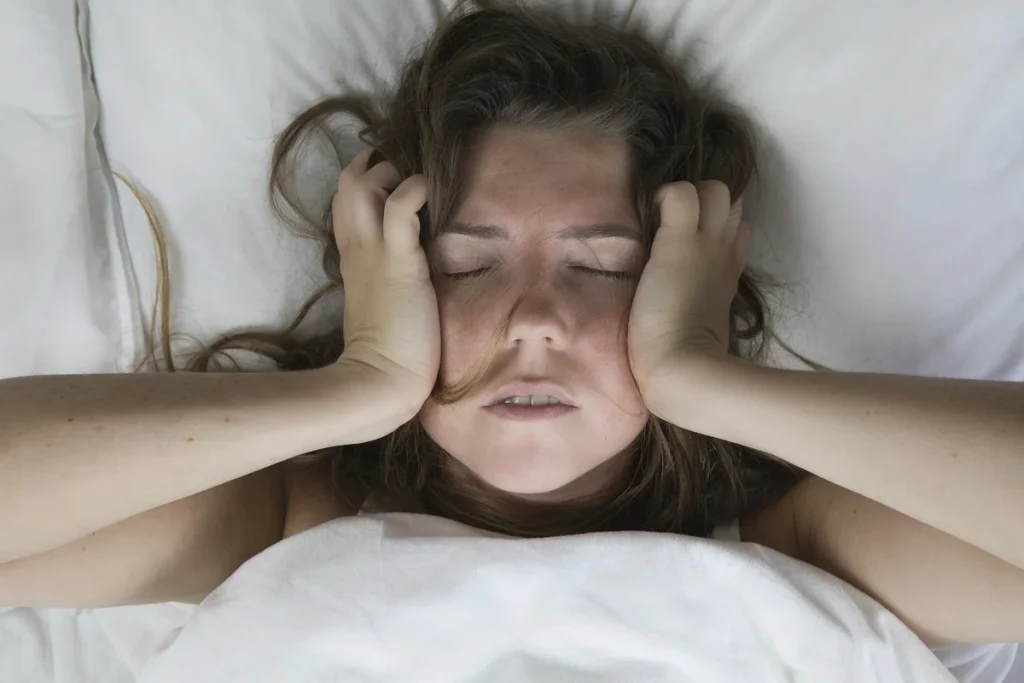
Sleep doesn’t just affect your energy or mood: it regulates key hormones related to reproduction. If your sleep cycles are disrupted — by insomnia, shift work, stress, nighttime light — this can affect ovulation, hormone production, egg quality, and even sperm quality.
- In women, lack of sleep or poor sleep quality has been linked to irregular ovulation, poorer response to fertility treatments, and lower egg quality.
- In men, sleep deprivation can reduce testosterone production, disrupt the hormonal-reproductive axis, and decrease semen quality (motility, count, morphology).
Recent evidence — impact on fertility treatments
- A meta-analysis showed an association between sleep disorders and a worse prognosis in assisted reproduction treatments: fewer oocytes retrieved, poorer embryo quality, lower fertilisation rate.
- Another recent study concludes that people with infertility report significantly worse sleep quality compared to fertile individuals, suggesting that rest could be a key modifiable factor.
In summary: sleep is not a minor factor — it can influence your fertility, directly or indirectly, both naturally and during treatment.
What can you do if you are trying to conceive or undergoing treatment?
- Sleep 7 to 8 hours a night, ideally at regular times.
- Create a bedtime routine: avoid screens before sleeping, bright light, and other stimulation.
- If you work nights or shifts, look into sleep hygiene strategies and keep as regular a schedule as possible.
- If there is persistent insomnia, stress or sleep problems: consult a specialist; it may be a key factor to work on.
🧡 If you are undergoing fertility treatment or want to start, review your rest too. At Fertia we help you identify lifestyle factors that may have an impact — sleep, diet, habits — and support you throughout the whole process.
Conclusion
When we talk about fertility, we often think only of medication, eggs, sperm… but the reality is that lifestyle has more of an impact than we imagine. Sleeping well, resting, taking care of your body and mind: these can make the difference. And that care starts today, not tomorrow.