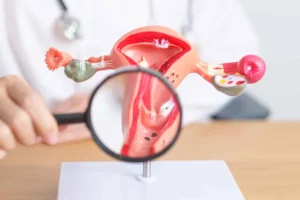

It is perhaps the most emotional moment of the in vitro fertilisation cycle. Embryo transfer is a medical procedure carried out as part of assisted reproduction. It involves placing one or more embryos in a woman’s uterus with the aim of achieving a pregnancy, and it usually takes place six days after egg collection. In this article, we explain in more detail what embryo transfer is and how it is carried out at our Assisted Reproduction Clinic in Fuengirola.
The process before embryo transfer: IVF and ICSI
Before the embryo transfer, an in vitro fertilisation (IVF) or intracytoplasmic sperm injection (ICSI) process is carried out. These procedures take place in an assisted reproduction laboratory, where the gametes (eggs and sperm) are combined to create embryos.
Selecting viable embryos
Once the embryos have been created, the most viable ones are selected and transferred to the woman’s uterus. The aim is for these embryos to implant in the endometrium and develop into a pregnancy.
Preparing the endometrium before embryo transfer
Before the embryo transfer, the endometrium is usually prepared to improve the chances of success. This may include the administration of hormones to promote endometrial growth.
How embryo transfer is carried out
The embryo transfer itself is a simple, non-invasive procedure performed at an assisted reproduction clinic. It does not require anaesthesia and usually takes just a few minutes.
It is usual to transfer a single embryo, and only in selected cases is the option of transferring two considered. The embryo is transferred five days after egg collection. For the procedure, the patient is placed in the gynaecological position and a speculum is then inserted. Finally, the embryo or embryos are placed in the uterus.
At the moment of placement, we can see some small white dots, which correspond to the air bubbles and the culture medium accompanying the embryo; the embryo itself is so small that it cannot be seen. Afterwards, we always check that the catheter is empty, as a certain degree of negative pressure in it could draw the embryo back into the catheter. This is an extremely rare occurrence, but it must be checked.
Recommendations before embryo transfer
On the day the transfer is scheduled, our team of specialists will give you the following guidelines:
- There is no need to fast, but sometimes, to improve visualisation of the catheter on ultrasound, we ask you to come with a full bladder.
- We recommend not using moisturising creams, as they may hinder ultrasound visualisation.
- Avoid make-up and perfumes, as they release volatile substances that can affect the appropriate environment in the laboratory.
Also, remember that it is a painless procedure, so there is no need to take any painkillers beforehand. The most important thing is to arrive relaxed and with a positive attitude towards such a special moment. Before the procedure, we normally inform you about the quality of the embryos and, above all, of the one selected for transfer.
Recommendations after embryo transfer
Once the embryo transfer is complete, the woman is usually advised to rest for about 15–20 minutes before getting up and going home. It is important to follow the doctor’s recommendations to avoid possible complications.
One of the biggest concerns after the procedure is that the embryo might fall out when moving or even when emptying the bladder; there is no need to worry about this at all.
- There is no need for rest or bed rest; we recommend returning to your daily routine, avoiding strenuous effort or high-impact activity as far as possible.
- Follow a balanced diet rich in fruit and vegetables. Progesterone can sometimes cause constipation, so it is advisable to eat high-fibre foods and drink plenty of fluids.
- Travelling and driving are not contraindicated, provided no physical effort is involved.
- There is no contraindication to having a bath or swimming in a pool. It is only advisable to wait at least two hours after the last application of vaginal progesterone.
- Sexual intercourse is not contraindicated from 7 days after the embryo transfer. By then, implantation will already have taken place, and the prostaglandins present in semen, which could cause uterine contractions, would have no effect.
- Bleeding after the transfer sometimes occurs at the time of implantation; however, we recommend informing the clinic if this happens.
Chances of success and important considerations
Although the desired pregnancy is not always achieved, embryo transfer offers a real chance of fulfilling the dream of becoming parents. It is important to bear in mind that the chances of success vary depending on several factors, such as the woman’s age and the quality of the embryos. It is therefore advisable to speak to a fertility specialist for more information.
Talk to a fertility specialist before making a decision
If you are considering fertility treatment, it is important that you speak to one of our specialists in high-complexity assisted reproduction, who will explain all the available options in detail and help you make the best decision for you. Every case is unique and requires an individual assessment to determine the most suitable treatment.
Written by: